

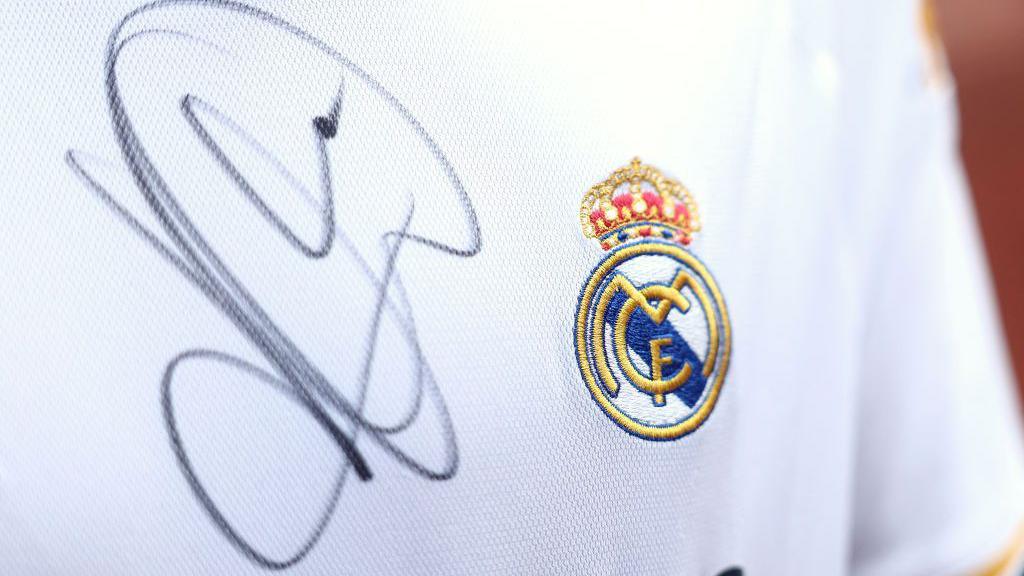
Outside the training ground. While stopped at an intersection. At a petrol station. In a hotel lobby. Outside their family home.
The spots where footballers and managers are approached for signatures range from the ordinary and acceptable to the intrusive and unacceptable.
Essentially, there exists two distinct types of autograph seekers. On one hand, you have the authentic supporters looking for a keepsake to treasure forever, but also commercial dealers building up a stockpile of merchandise to be listed for sale on the internet.
The hunters making a living from sourcing signatures are often experienced figures who approach players with organised packs of shirts and pictures, with the goal of get as much signed as possible in a few seconds.
But what do the players being approached feel, and is a portion of these interactions becoming excessive?
In What Ways Do Autograph Hunters Engage With Stars?
When a prominent coach was filmed declining to autograph a jersey after a man approached his vehicle recently, he justified his actions against a backlash by stating he felt "exposed" and claimed some "individuals are not doing it for the right reasons".
In another case, a celebrated manager angrily chastised a cluster of hunters who came up to him in a parking lot near his home, lambasting their career choice and stating, "Do not return - I won't tell you again. What are your dreams?"
The sports memorabilia sector is believed to be valued in the billions of dollars worldwide each year, highlighting the significant income commercial seekers can generate by regularly seeking out celebrities.
Clubs occasionally have to intervene and protect players, including banning commercial dealers from conducting business outside training grounds, providing protection personnel at local petrol stations where hunters are aware players stop, and in certain instances assisting in guiding them to their residences.
One prominent midfielder was recorded instructing individuals to cease trailing him home after they had done so on back-to-back days.
And earlier this month, a backline player was caught on video humorously scrawling unenthusiastic signatures on a stack of jerseys handed to him by a seeker who approached him at his car window.
"Athletes become extremely annoyed with it," states a former Premier League winner.
"I've experienced it on many occasions. They stand outside the broadcast studio and ask me sign twelve matching jerseys simultaneously. I challenged it recently and said 'you intend to flog these online, correct'?"
"It is incredibly irritating that the purpose is to profit out of athletes. The decision lies with the person to make a judgement call in the moment."
"Should we decline, then the rejected individual will often verbally abuse the person who refused them and call them out them online."
"This behavior is unacceptable as authentic autograph hunters must get fed up with these frauds who are doing it for the wrong reasons."
"Such individuals spoil it for kids and true supporters."

What Do Athletes Think About Professional Sellers?
The majority of athletes are happy to brighten a supporter's day by spending a brief instant with them and providing a signature.
But when frequent seekers appear, confrontations can happen, especially if their behaviour is perceived as pushy.
"You get the people who are eager to get your signature but also want to have a short interaction with you and establish a personal link," notes a ex-national team player. "That is perfectly acceptable, but then you also get the ones that you see constantly."
"A portion of them are quite savvy with the way they operate - they send their kids, or they bring their mates."
"There have been times when arguments have happened. I recall one where a guy attempted to argue with me - he would hand you twenty of the identical item, and you would either not sign them all or your signature would become less enthusiastic as it continued because you were aware he was going to resell them."
In some instances players can sympathise with the reasoning while not accepting rudeness.
"He would frankly admit he was going to flog them, but in his eyes that would cover the cost of his tickets," the athlete continues. "The majority of supporters are truly polite and appreciative. They are never disrespectful until they don't get what they want."
Are Some Authentic Supporters Becoming Less Respectful?
Throughout the growth of the women's game, fans have historically enjoyed more direct interaction to players than in the premier league. For the most part, those encounters are friendly, safe, and polite.
But some athletes feel encounters have become increasingly rude and lacking in respect in recent seasons.
One England international revealed she was approached for autographs by some of the same fans who had previously booed her during a game.
"There does seem to have been a shift in the recent period - there feels to me more of a attitude of expectation with some fans now," states a ex-professional athlete.
"Fans enjoying more access to players has been a big part of the uniqueness of the sport, and when I was playing we always aimed to be available for them," she adds.
"Nowadays, some people feel because they've paid for a ticket they are entitled to the attention of the players before or after the game."
"No player wants to snub the fans, but there are times and places, and possible safety concerns need to be taken into account."
"There has to be mutual respect and it should be handled in a controlled, safe manner."
"It is essential to still facilitate those interactions so that young fans don't lose heart and think 'my heroes are indifferent to me'."
Fans Risk Buying Fakes Online
Items signed by big stars and then listed online by autograph hunters can sell for tens of thousands of dollars.
But not all items of autographed collectibles purchased will prove to be legitimate.
In certain instances, online stores are set up by fraudsters who forge items by buying merchandise before applying a fake signature - either by completing the task personally or hiring the expertise of expert handwriting copiers.
One factor fraudulent dealers can succeed in their crimes is because autograph verification is an unregulated process in many regions. Most items come with a certificate of authenticity, but that certificate is only as legitimate as the organization which awards it, and those entities can be completely unvetted.
Several years ago, a individual was sentenced to prison after making over a million from selling fake


